
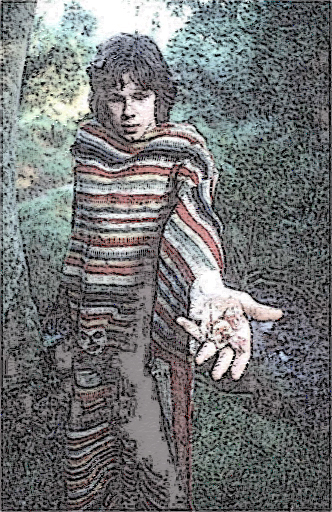
I first heard the haunting sound of Nick Drake during my early twenties when a few friends, Bob Bruce and Ian McElroy, thought that I might appreciate his music (given my taste for bohemian-styled folk music).  Nothing could have prepared me for the deeply meaningful messages conveyed in the songs of this stunning and enigmatic songwriter. I was hooked from that moment on.
This album, for me, was completely spellbinding. From the meanderings of ‘Time Has Told Me’ to ‘Saturday Sun’, Drakes’s slightly bluesy, jazz flavours are mesmerising. The wonderful string arrangements of Robert Kirby added additional depth to this magic. This was intelligent music created by intelligent people. A listener could only gain an increased intellect as a result of exploring these wonders.
From an early appreciation of Dave Brubeck’s ‘Time Out’ album, I have always been drawn to unusual time signatures. Not many people attempt 5/4 as a meter but, imagine my surprise with the ease that Drake presented ‘River Man’ on the second track of this album. The complex and irregular strumming drags you into the mystery of the song. Robert Kirby was unavailable to work on this track, so Scottish composer Harry Robinson was drafted in for the work on the recording. He certainly provides a different flavour to Kirby, providing stunning swirling and surging strings that wrap around the enigmatic lyrics to present the deeper meaning of the song. Is it about mental health issues? It was widely reported that Drake was tortured with bouts of depression. Was the River Man the controller of this depression? Was The Riverman a person who could allow a passage out of the darkness or somebody who could impose or lift the “ban on feeling free”?
Bob introduced me to a few individual tracks on a mixtape along with songs by a contemporary of Nick Drake, John Martyn. Ian on the other hand, loaned me ‘Five Leaves Left’ and made me realise that to fully appreciate Nick Drake, one should only ever attempt an initial listen on the basis of consuming a full album.
This album, for me, was completely spellbinding. From the meanderings of ‘Time Has Told Me’ to ‘Saturday Sun’, Drakes’s slightly bluesy, jazz flavours are mesmerising. The wonderful string arrangements of Robert Kirby added additional depth to this magic. This was intelligent music created by intelligent people. A listener could only gain an increased intellect as a result of exploring these wonders.
From an early appreciation of Dave Brubeck’s ‘Time Out’ album, I have always been drawn to unusual time signatures. Not many people attempt 5/4 as a meter but, imagine my surprise with the ease that Drake presented ‘River Man’ on the second track of this album. The complex and irregular strumming drags you into the mystery of the song. Robert Kirby was unavailable to work on this track, so Scottish composer Harry Robinson was drafted in for the work on the recording. He certainly provides a different flavour to Kirby, providing stunning swirling and surging strings that wrap around the enigmatic lyrics to present the deeper meaning of the song. Is it about mental health issues? It was widely reported that Drake was tortured with bouts of depression. Was the River Man the controller of this depression? Was The Riverman a person who could allow a passage out of the darkness or somebody who could impose or lift the “ban on feeling free”?
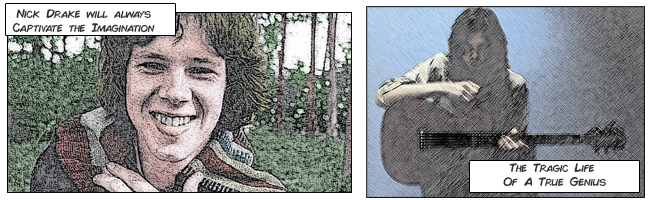
A Tragic Journey
It could be argued that Nick Drake explored the demons of his depression within his songs a little too much. However, these demons that would eventually consume his life in 1974 could be suggested within Drake’s complex lyrics; but what if there was another explanation?
The crafting of lyrics to fit a musical composition is one of the elements of songwriting that has always drawn my interest. Words, selected because of the way they will fit a tune, can often take the subject matter to some rather random places. The Betty character adds another element to the mystery. Drake was studying Wordsworth’s poem ‘The Idiot Boy’ in Cambridge around the time that he wrote this song. This too has the character of Betty in the poem (Betty Foy). Betty could have crept into Drake’s creative meanderings of his imagination as he wrote this song. We will never know. But this makes the song and his songwriting so rewarding.
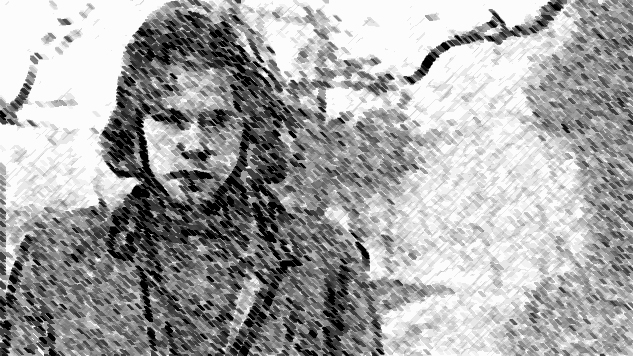
The next three songs on the album are equally as dark. ‘Three Hours’, ‘Way To Blue’ and ‘Day Is Done’ also explore the dark shadows of the mind. Jeremy hoped to keep the sun from his eyes. Asking the question “Can you understand a light among the trees?” in ‘Way To Blue’. Lamenting “When the bird has flown, got no-one to call your own” from ‘Day Is Done’.
Getting Brighter Later In The Album
But the mood does lift a little. ‘Cello Song’ creates a strong conga rhythm and complex guitar patterns to more optimistic lyrics.
“And if one day you should see me in the crowd Lend a hand and lift me To your place in the cloud”
By this time on the album, we are treated to the pleasures of ‘The Thoughts Of Mary Jane’ in a gorgeous pastoral backdrop. Clearly, a slang term for marijuana, the depiction of this setting could be seen as journalling the effects of the narcotic. “Why does she fly or go out into the rain?”
Man In A Shed is a joyful 1920s jazzy pastiche that cannot simply be dismissed as a throwaway song. From “being out of his head”, Drake pulls the subject around to the directing of the song towards a person “The man is me and the girl is you.” I wonder who he was thinking about?
And then, out of nowhere, Nick Drake hits us with a Fruit Tree. This song is just perfect. Starting with a plucked arpeggio that is trying to find a rhythm, the song falls into the riff that holds on tightly to the chords and never loses its grip. The strings and oboe decorate this tune perfectly with the delicate touch that allows the listener to gaze right into the core of the song’s beauty.
“Life is but a memory
Happened long ago.
Theatre full of sadness
For a long forgotten show”
The song pours out so many different emotions as it pulses towards the surging string-fueled false cadence. It resolves into a delicate outro where Drake prophetically declares the fruit Tree as something that “people would know that you were here when you are gone”.
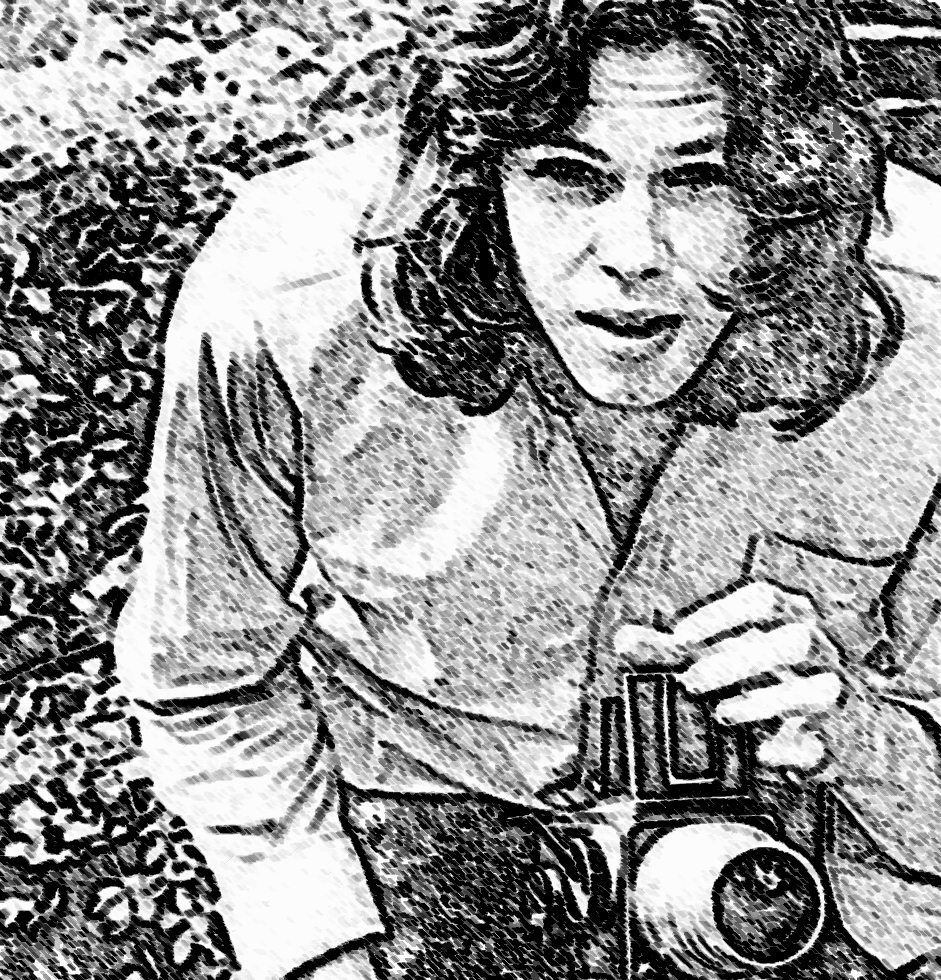
As this poor man went almost completely unnoticed in his lifetime, his death brought the respect and fame that he could only have dreamed about during that life.
‘Saturday Sun’ concludes the album with a soulful laid-back look at the good and bad times of life. An examination of people in their time and place returning again and again.
Nick Drake has provided a perfect album of songs that will always lead to wonder and intrigue. His early death sadly means that we can never ask what his intentions were in these songs.
Many of the musicians he worked with have become famous names in the industry. Richard Thompson and Danny Thompson both featured on his records. John Cale, from The Velvet Underground, played a celeste on Northern Sky from Drake’s ‘Bryter Layter’ album. John Martyn actually wrote his most famous song ‘Solid Air’ about Nick Drake. A fitting tribute to a young man who, many believe, was living his life in that way…..trying to move through solid air.
Dispelling Some Myths
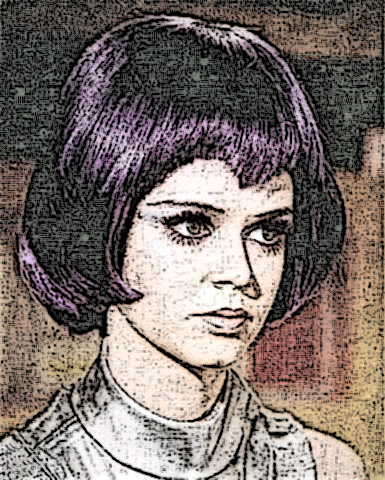
Nick Drake’s sister, the astonishingly beautiful Gabrielle Drake, has often said that her brother wasn’t the manic-depressive loner that history paints him to be. He was a comical, and generally happy young man. We will never know who Nick Drake really was as he died tragically in 1974 after taking an antidepressant drug that sadly killed him. He was a young man cut down in his prime but, in doing so, he left a legacy of incredible music that will be appreciated by many generations to come. His words from ‘Fruit Tree’ were almost a prophecy of what was to come.
“Forgotten while you’re here
Remembered for a while
A much-updated ruin
From a much-outdated style.”
I will never tire of listening to the enchanting music of this wonderful songwriter.
Here is a Spotify Playlist where you can explore some of Nick Drake’s finest moments.

Be the first to comment